
Learning English, Unlearning Home

Words & Photography by: Aditi Yarlagadda
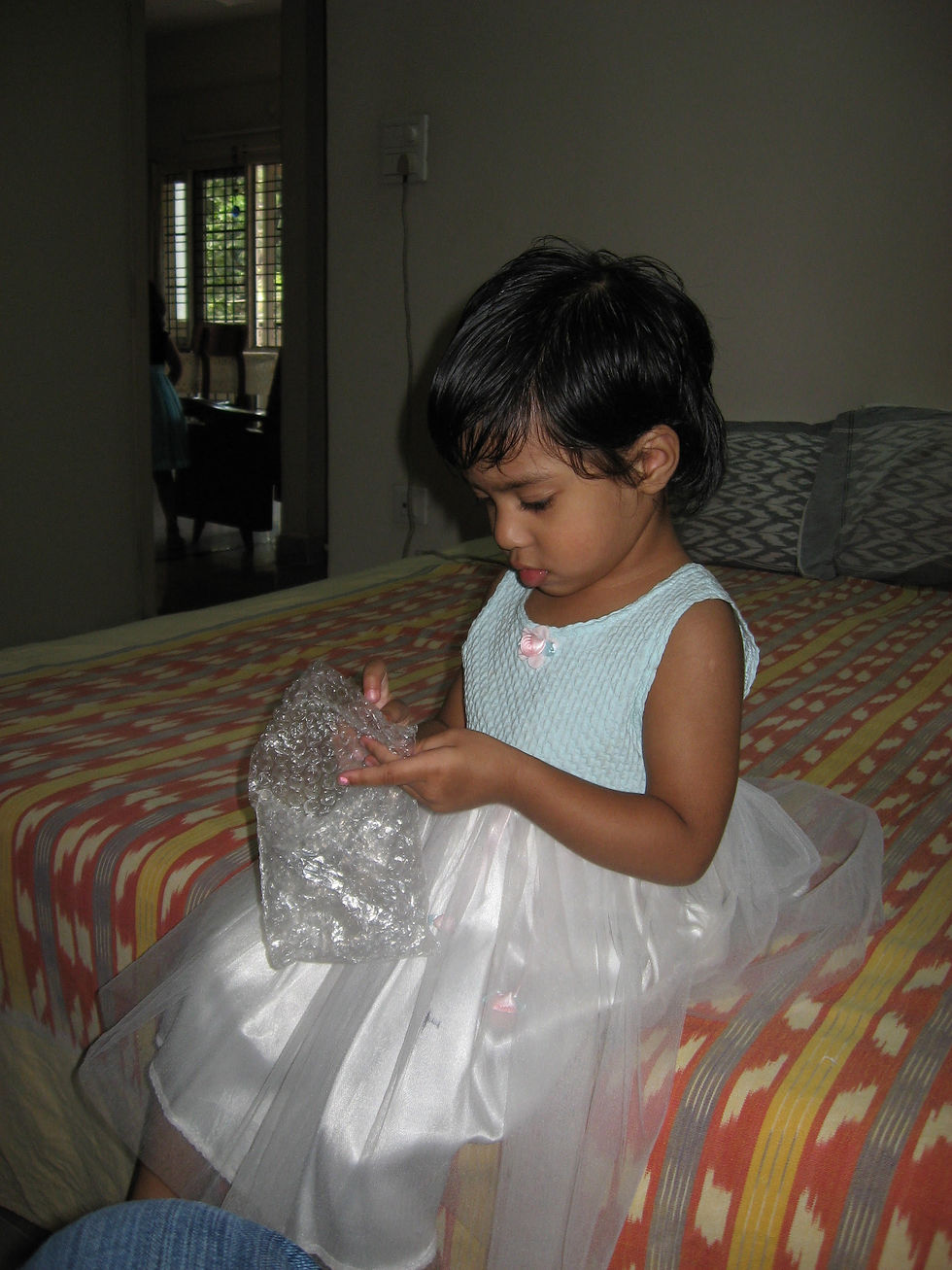
I was born and raised in Hyderabad, India, and was lucky enough to grow up in a place so diverse and deeply rooted in culture, though it took me a while to realize just how lucky I was. Growing up, culture was everywhere around me. It was in the languages I heard, the festivals I celebrated with my family, the food, and the traditions that were simply part of my everyday life. India itself is defined by its linguistic diversity, where hundreds of languages and dialects coexist across different states, cities, and communities. There is no official language in India, and rightfully so, since it would be impossible to condense the country’s identity into a single language. Yet, growing up in Hyderabad, I unfortunately took the linguistic diversity and rich cultural heritage I was surrounded by for granted.
I especially never took much pride in the beauty of my own mother tongue, Telugu. From a young age, I was already becoming aware of how Indian culture was represented abroad.On television, YouTube, and even some of my favorite shows, Indian names, accents, and ways of speaking were often used as a punchline. I remember watching Phineas and Ferb, where Baljeet's name, accent, and Indian identity were frequently part of what made his character "funny." At the time, being young and without the tools to decode the racism embedded in these characterizations, I internalized these negative representations more than I initially realized. I knew I didn't want to sound like the accents people made fun of. Therefore, instead of taking an interest in Telugu, I poured my attention into perfecting my English and changing the way I sounded when I spoke it.
That disconnect showed up in school too. In elementary school, I first chose Telugu as my second language before switching to Hindi, but I never made much of an effort to properly learn how to read or write either language. I was lucky enough to grow up constantly hearing both around me, so I learned to understand and speak them fairly well, yet without ever reaching fluency. By the fifth grade, I switched again, this time choosing French and continuing it for the rest of my schooling. Looking back, there is something painfully ironic about putting years of effort into learning how to read, write, and speak a language that had no connection to my upbringing, while never learning to read or write the languages that I grew up with and had unlimited access to. At the time, though, I didn't think twice about it. Telugu was always there, and it seemed impossible to me that one day it wouldn’t be.
And then that day came. When I was sixteen, in August of 2021, I moved to California to attend an arts boarding school. Moving to a country so far from home put into fresh perspective the way I viewed my own background, culture, and upbringing. For the first time, the things that had always just been normal parts of my life, like celebrating festivals with my family and hearing Telugu constantly spoken around me, became things I actively missed.Being Indian was no longer the baseline for my everyday life and the people around me it became something I had to actively hold onto, pushing me to explore aspects of my identity that I had never really taken the time to appreciate before.
There is an irony in the fact that I spent so much of my childhood focusing on my English because I didn't want to sound "too Indian," only to move to America and become more conscious of being Indian than I had ever been before. The distance made me want to hold onto the exact things I had once tried to separate myself from, and Telugu became one of them.
Yet this effort to maintain my connection to home in general, and to my mother tongue specifically, put into stark relief what I had lost by prioritizing my study of English growing up, to the detriment of Telugu. Despite being my mother tongue, Telugu is a language I can neither read nor write. What does it mean to call a language my own when an entire part of it is inaccessible to me. To what extent does fluency in a language define your relationship to your ethnic and cultural identity?
Language is so much more than a way of communicating. It is constitutive of culture itself, since there can be no society without language. Thus what makes my relationship with Telugu feel so complicated, is that it is a tangible way to feel connected to my Indian identity that I am trying to preserve.
Maybe that is why I still don't know exactly what it means to “know” a language. Telugu lives in my mouth when I speak to my family, in my ears when I hear words that feel familiar before I even have time to translate them, and, for now, less comfortably on the page. I left India and became more aware of being Indian. I left Telugu behind in so many small ways and, in doing so, began to understand how much I wanted to hold onto it. Maybe distance can dull a connection, but it can also make you aware of how precious that connection was in the first place, and how important it is to keep it alive.


Comments