
Crying on Cue: The Early Economy of Youtube Cancellation
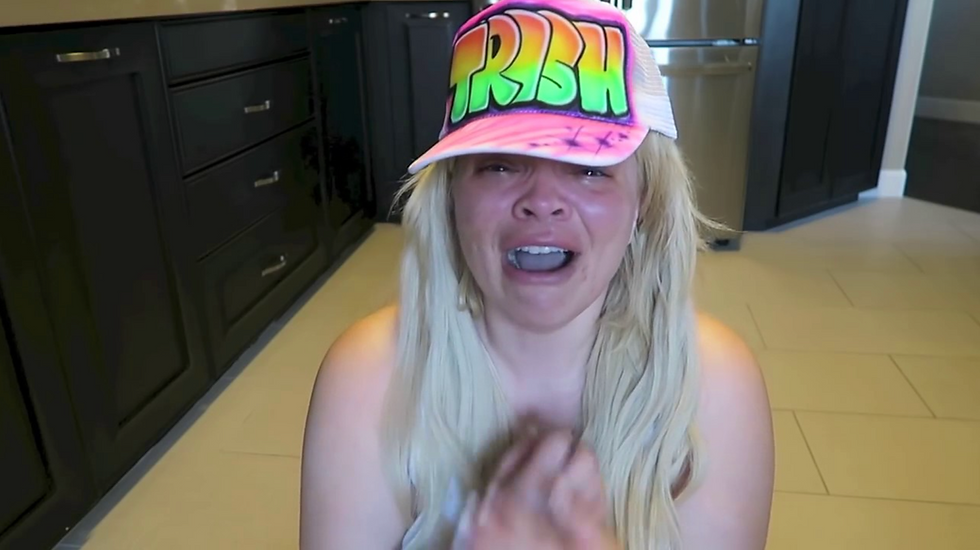
In 2016, before every apology came filtered through a skilled PR team and practiced script, there was post mukbang Trisha Paytas on the kitchen floor sobbing into a front-facing camera. Not after the backlash, not once things settled, but during. Mascara halfway down her face, on the third identity crisis of the week. A video simply titled “I’m Sorry”. Somehow, that was the content. Some may say this was when YouTube “popularized cancel culture,” like it arrived with rules, but it didn’t. It was sloppy and weirdly addictive. Cancellation wasn’t an ending yet. It was a cycle with each fuck up recharging the content-pushing machine: Get dragged, cry on camera, come back with a newfound understanding and repeat – l. Less a fall from grace and more a revolving door of what the creator considered redemption.
The apology videos were weekly anticipated episodes with a mid breakdown thumbnail, and everyone waiting for the next video (despite knowing it wouldn’t solve anything). The tailspins and sudden ethical reinventions each fed the same machine. It was one that ran purely on views which, in 2016, didn’t discriminate, but simply accumulated, especially when it came to race – which functioned like another prop. Blackface videos, blatantly racist caricatures, and slurs used at any given chance wasn’t rare. Creators would upload offensive content, get clocked for it eventually, and then fold it into the cycle.
Apology video. Waterworks. “I’m sorry for being an emotional fucking mess. I’m really really fucking sorry… like really fucking sorry. I am sorry guys. I don’t ever intend to hurt anyone.”- Trisha Paytas 3/28/16
Next video: “MORNING ROUTINE!”
But the backlash never landed evenly, white creators could metabolize it and turn it into another engagement spike. The sheer outrage became part of their brand, making it more excusable to white viewers. The communities being mocked didn’t get that same loop, it was humiliation repackaged as drama-trash youtuber humor. Cancellation in this sense wasn’t some great equalizer, it was selective and much more about spectacle than consequence, which the audience ate up. Not because they believed the apologies, but because the ever-growing dumpster fire itself was entertaining. The audience, statistically young and impressionable teenage girls, fed on the thrill in watching someone fuck up, refreshing a page to see if they’ve posted again, and reading comments that feel meaner than their own. It wasn’t something to just watch, it was a shit-show to participate in. The audience was the judge, jury, executioner, and fan-base all at once.
Now, cancellation is categorical. Platforms actually step in, brand deals quietly drop off the face of the earth, and statements get picked to the bone until they say nothing at all. There’s a script now, in 2016, there wasn’t. It was an immediate mess and impossible to look away from. Trisha didn’t invent this, but she embodied it through her absolute refusal to let anything settle and the understanding (still unclear if intentional or not) that whether attention is good or baddoesn’t matter, as long as it endures. Cancellation was never a threat to a career– it was a participatory and episodic formula, and if cards were played right, endlessly profitable.
Carly Weiss


Comments