
Soy Story: A Much-Maligned Bean, and How We Got Here
“Doesn’t soy mess with your hormones?”
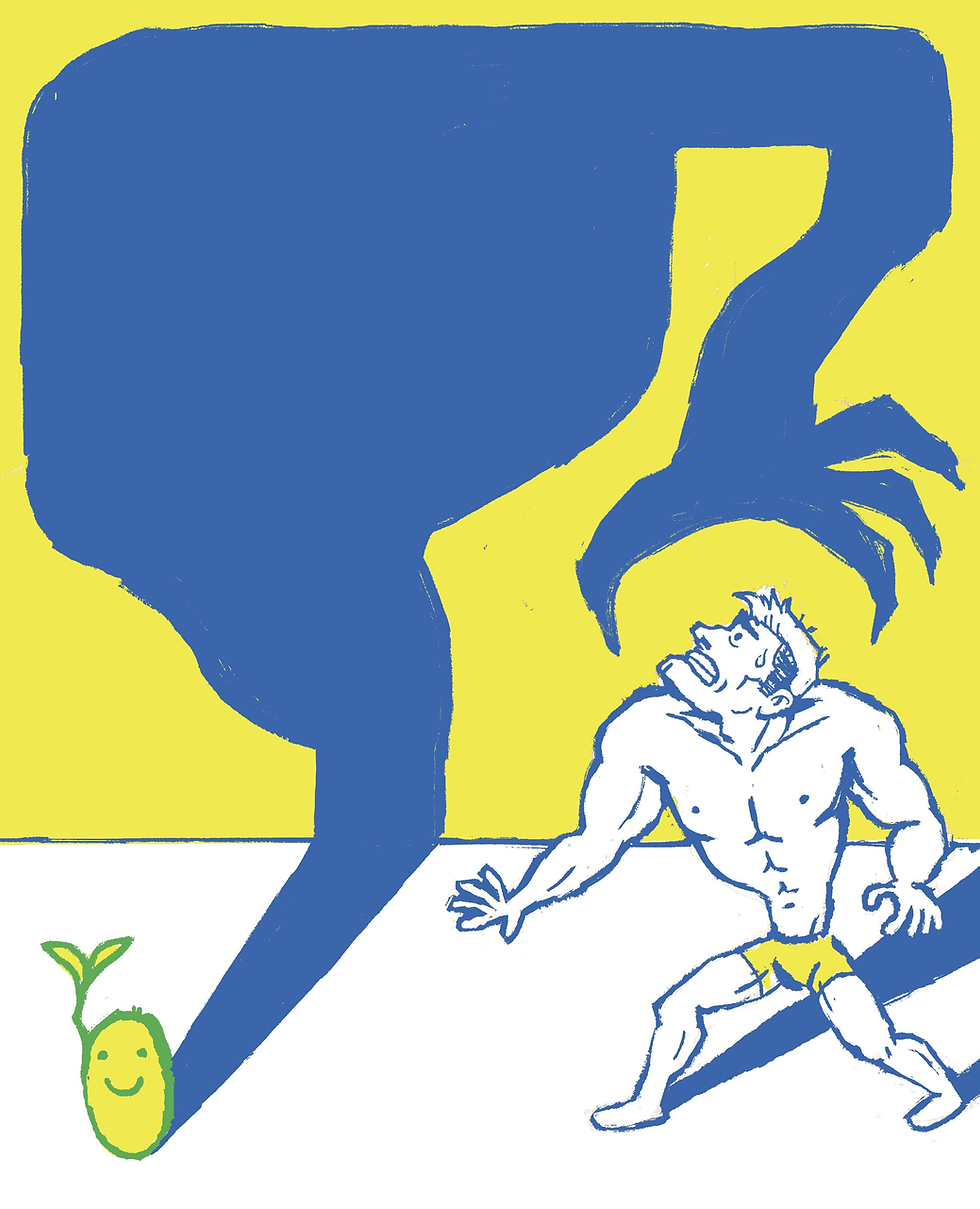
When my friend asked me this question while we both perused the alternative milk aisle at Trader Joe’s, I did a double take. Seven or eight years ago, “soyboy” was an insult commonly directed towards left-leaning men, implying that their consumption of soy had feminized them, and made them less deserving of respect.
The primary concern around soy was its possible effects on testosterone in men. The science that we currently have available does not corroborate this concern. Soy does contain chemicals known as isoflavones, which are structurally similar to estrogens and can exert specific estrogen-like effects in the body, but a meta-analysis of 36 clinical studies done on soy consumption and testosterone levels in men revealed no correlation between the two.
This is not to say that soy has absolutely no effect on hormones. Preliminary studies into soy intake for women undergoing menopause suggests that it can help alleviate hot flashes and prevent bone reabsorption. This is all well and good, but the anxiety around soy isn’t really about science, is it? Cow’s milk contains actual mammalian estrogens that may exert a hormonal effect that actually does result in some of the effects falsely attributed to soy (like lowered testosterone and estrogen spikes). But the same people who obsess over soy also recommend whole, raw milk as a staple in every American diet.
Anxiety surrounding hormones is a reflection of our cultural moment. Regardless of where you are on the political spectrum, most people understand that the current gender system is broken. Things have fallen apart, and the center no longer holds. Right-wingers respond to this by trying to reify “traditional” gender. They prop up bodybuilders and tradwives pushing thousand dollar online courses on hormone resets. Phrases like “canthal-tilt” and “hunter-eyes” have left the incel bubble and are now in the mainstream where they are used to drum up anxiety around masculinity.
On the left, some are nihilists, insisting that gender itself is dead, or is socially constructed to the extent that it has no roots in metaphors of the body. Some, in the camp that I claim, understand that gender, or at the very least the version of gender that exists in the social sphere, is both related to the body and exists as a presentational and psychological element that supersedes the body. I happen to be trans and intersex, and this has been my experience as someone who has crossed more gender and sex binaries in my lifetime than I care to count.
I don’t know how to fix our current gender trouble, but I do know that soy was never the issue. We are not anxious about beans, we’re anxious about social roles and the fact that the scripts we have been given for our bodies, our presentations, and our social lives don’t seem to align with reality anymore. Sometimes, these worries have less to do with the material reality of health, and more to do with living through a period of significant social upheaval.
Orion Smith



Comments